
This dish is one of the most famous traditional Chinese dishes ever.
It is said to be one of the first Fried Rice dishes ever,
originating from Yangzhou, hence the name, during the Qing
Dynasty. This dish uses leftovers to make the rice, as many
aristocrats had leftovers and a man named Yi Bingshou decided to
mix and match ingredients to create the Yangzhou Fried Rice.
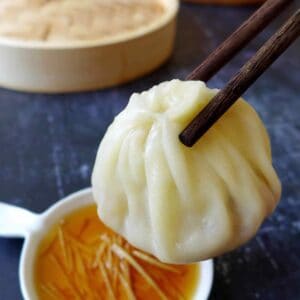
Also known as Soup Dumplings, this dish originates from the
Jiangnan region. It came alive during the late Ming Dynasty and
early Qing Dynasty eras, where chefs in teahouses would
skillfully learn how to make these dumplings with a paper-thin
dough and a beautiful broth.
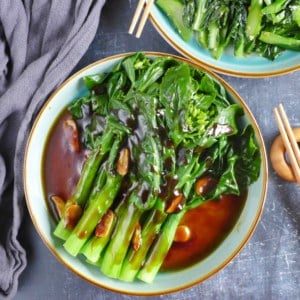
Also known as Chinese broccoli, this dish is a stable in
Cantonese foods. Originating from southern China, this dish
became quickly popular all over china during the late Qing
period when wok frying was more commonly done by people of all
classes.

Originating from Hong Kong, this dish is a spin on the Cantonese
dessert pancakes. In Hong Kong, chefs began incorporating
mangoes into Dim Sum, a fruit introduced to China by the ancient
trade routes like the Silk Road. The dish has both a long
history, specifically within the mango, but also a unique spin
done by Hong Kong's chefs.
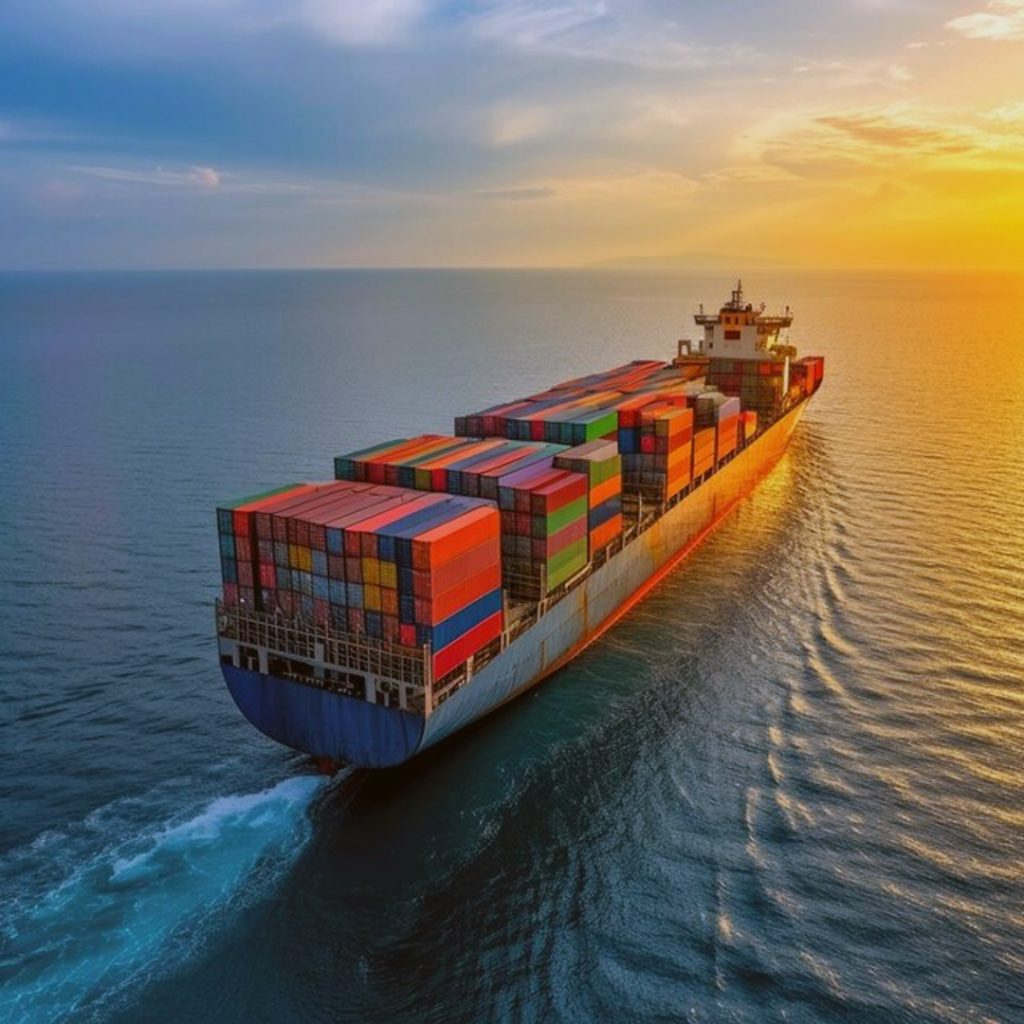
Would your dish be possible without the globalization of food?
No, globalization has played a pretty big role in shaping modern
Chinese cuisine. While the base ingredients of Yangzhou Fried
Rice and other traditional dishes are deeply rooted in Chinese
agricultural history, some components, such as certain
seasonings, meats, and even modern rice varieties, have
benefited from international trade. It also allows people of all
classes access to said foods.
How has globalization impacted the world's diet?
Globalization has diversified diets around the world by making
foreign ingredients and dishes more accessible, not only to all
countries but all people. Traditional cuisines have expanded
beyond their geographic origins, leading to fusion dishes (that
aren't always amazing) and new cooking techniques. But also,
globalization has also contributed to not so great stuff with
processed and fast food becoming an increasing norm. This shift
has led to both positive effects, such as increased food
security and cultural exchange, and negative consequences,
including rising health issues linked to high-fat and high-sugar
diets.
At what point did your traditional dish become affected by
globalization?
Yangzhou Fried Rice, while deeply traditional, has been
influenced by globalization in multiple ways. As trade routes
expanded, so did access to new ingredients such as imported rice
varieties and cooking oils. In more recent times, the dish has
spread internationally, with variations appearing in Chinese
restaurants worldwide, sometimes incorporating non-traditional
elements like Western-style proteins or fusion ingredients (not
the best tasting). It's more popular now, with people like Uncle
Roger living in Britain talking about it to their millions of
YouTube audience.
Has diet and nutrition around the world benefited from the trade
of food? Why or why not?
Yes and no because on one hand, global food trade has improved
nutrition by making diverse and nutrient-rich foods more
accessible to populations that might otherwise face food
shortages or limited variety. On the other hand, the globalized
food industry has also contributed to unhealthy eating patterns,
particularly through the rise of processed foods high in sugar,
salt, and unhealthy fats. The mass production of food has often
prioritized profit over nutritional quality, leading to an
increase in diet-related diseases such as obesity and diabetes
worldwide, notably in the land of the free and the home of the
brave.