Origins and history:
Rice has been cultivated in the Yangtze River basin for over 9,000 years, and it is now a primary food all across Asia (including my own stomach).
Where the ingredient comes from now:
Today, rice is predominantly grown in southern China and other parts of Asia, with a lot of production in countries like Thailand, India, and Vietnam.
Sustainability:
Rice farming is extensive and requires a lot of water and labor. It produces a lot of methane emissions. Excessive irrigation in areas with poorer soil quality can lead to soil degradation, but innovations like dry seeding help to reduce the damanges.
Importing and exporting:
Global trade networks allow rice’s year-round availability, allowing everyone to absorb the beauty that rice is. Thank you, globalization.

Origins and history:
Eggs have been a vital source of protein in Chinese cooking for centuries, though tradition is more open to various types of eggs than just chicken eggs.
Where the ingredient comes from now:
Eggs are commonly sourced from local free-range and organic poultry farms throughout China and worldwide through trade.
Sustainability:
Egg production is heavily dependent on industrial farming, which gets a little messy when talking about land use, greenhouse gas emissions, etc. Large scale egg farms contribute to pollution whereas free-range take a lot of land and resources per egg.
Importing and exporting:
Eggs and egg products circulate globally because eggs are in almost every culture's food somewhere.
Origins and history:
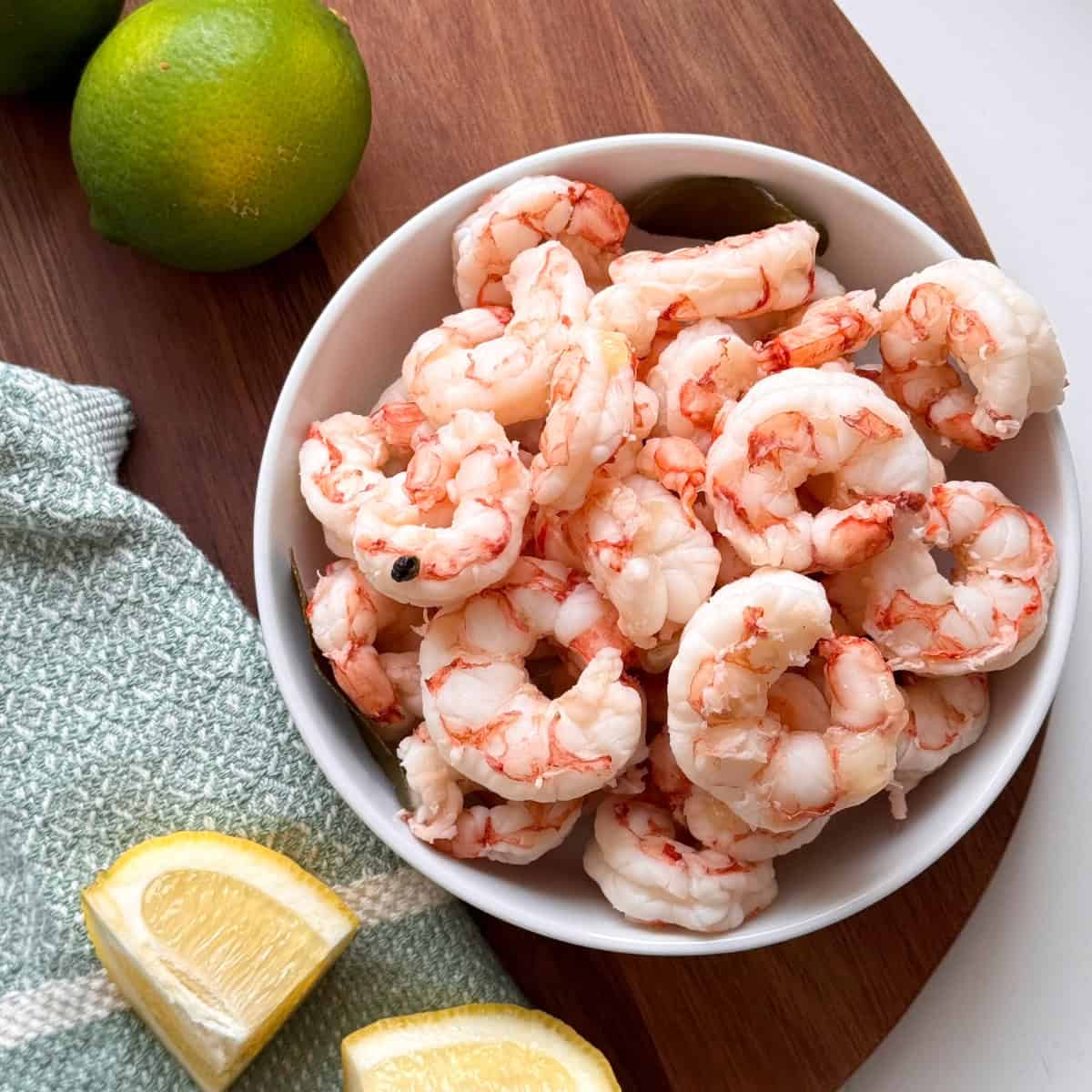
Shrimp has a history in coastal Chinese foods for a long time, with it being included in recipes since ancient times.
Where the ingredient comes from now:
Today, shrimp is both wild-caught in coastal waters and farmed using modern aquaculture techniques in many parts of Asia.
Sustainability:
Shrimp isn't the most sustainable food, destroying mangroves and reducing biodiversity. The antibiotics that is used pollutes the water.
Importing and exporting:
Shrimp, which was once not really common outside the region, is now everywhere because of globalization. Because of its popularity, a lot of extensive production has been done, furthering the environmental impact.
Discuss its individual origins and history:
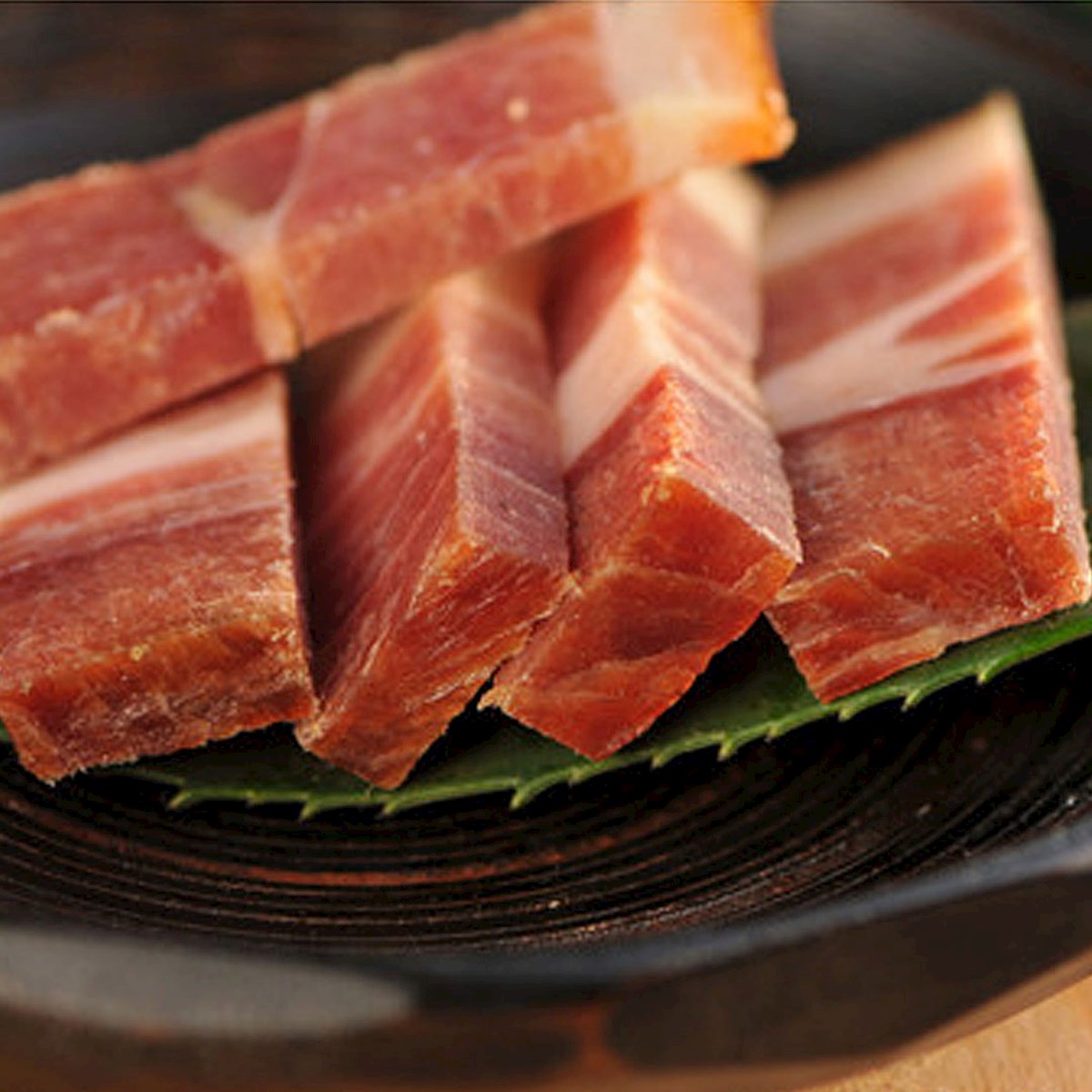
Chinese ham, particularly the style used in Yangzhou Fried Rice, came from traditional curing and roasting techniques developed over time as Yangzhou Fried Rice became increasingly popular.
Discuss where the ingredient comes from now:
Today, it is produced in various regions of China, being used in many sorts of dishes.
Discuss the sustainability of your chosen ingredient:
Pork productions, and meat in general, is pretty environmentally taxing. Pig farms lead to deforestation for crops, there's a lot of water used, and a lot of emissions too.
Discuss the impact of importing and exporting:
Chinese ham is prized both domestically and internationally, with export markets encouraging producers to maintain high standards and sustainable practices.
Origins and history:
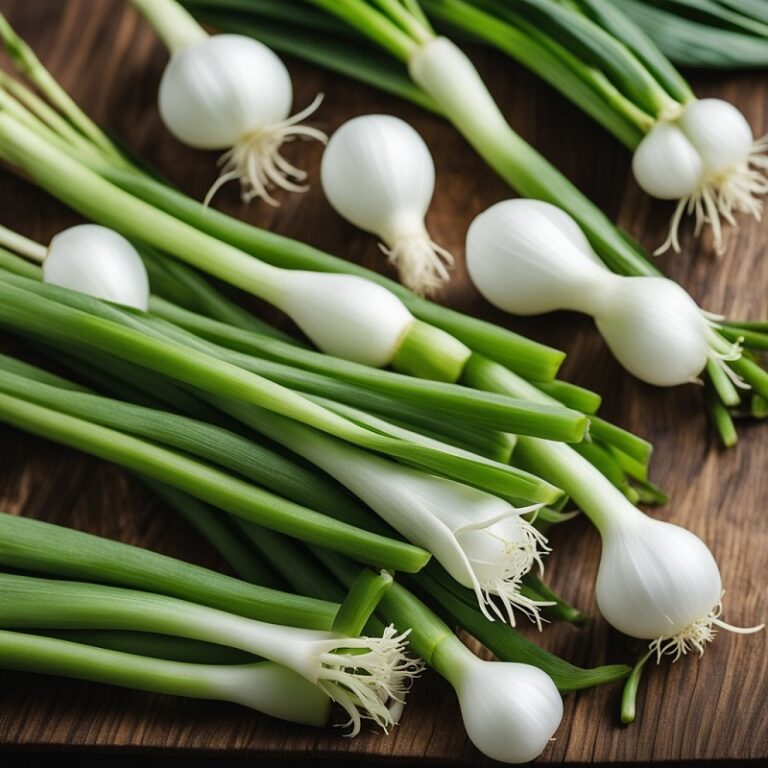
Scallions have been used for millennia in Chinese cooking to add aroma and brightness, forming an indispensable part of many traditional recipes.
Where the ingredient comes from now:
They are cultivated locally across China and in many other parts of the world, ensuring their presence in global kitchens.
Sustainability:
Scallion farming is relatively low-impact compared to other crops. However, large-scale monoculture production can lead to soil depletion and increased pesticide use. In some regions, over-irrigation has contributed to declining groundwater levels, but overall, it's pretty okay.
Importing and exporting:
Scallions are widely traded regionally but are not a major global commodity. Short transportation distances and ease of growth make them one of the more sustainable produce items.
:max_bytes(150000):strip_icc()/pickled-garlic-cloves-03-250668-4000x4000-a8ff72228b934f489bac84cdc8111735.jpg)
Origins and history:
Garlic, revered for its robust flavor and medicinal benefits, has been a cornerstone of Chinese cooking since ancient times.
Where the ingredient comes from now:
It is now grown extensively in China, India, and other parts of Asia, forming a major part of global spice markets.
Sustainability:
Garlic, like scallion, isn't that bad either, but like scallion, large-scale production has similar effects to scallion. There's also a lot of questionble labor around garlic peeling and processing.
Importing and exporting:
China dominates global garlic exports, which has doesn't help local farmers in other countries. The heavy reliance on international garlic trade increases carbon emissions due to transportation.
Origins and history:
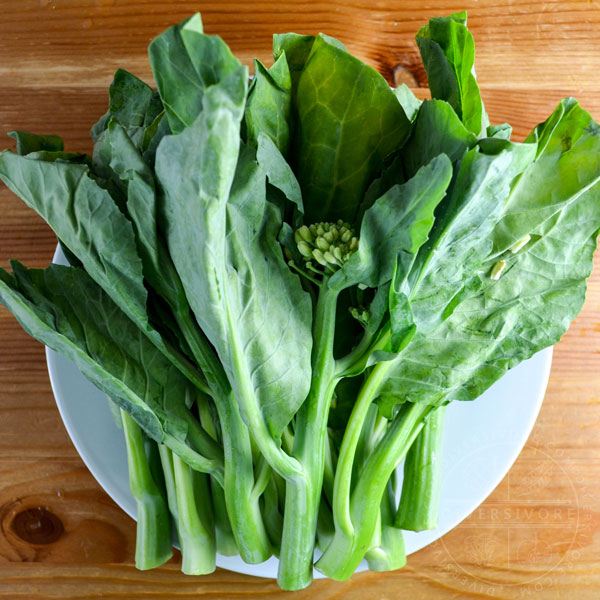
Gai Lan has been a beloved vegetable in Cantonese cooking for centuries, prized for its crisp texture and slightly bitter flavor.
Where the ingredient comes from now:
It is primarily grown in southern China and is a staple in local markets and traditional Cantonese kitchens.
Sustainability:
They're genereally sustainable, but again, large-scale production has similar effects to scallion and garlic.
Importing and exporting:
Gai lan is mostly consumed locally, but its export to global Asian markets has increased recently, adding transportation emissions and dependency on overseas demand.

Origins and history:
Invented in 1888 in Guangdong by accident, oyster sauce became a staple in Cantonese cooking for its rich umami flavor.
Where it comes from now:
Mainly produced in China, Thailand, and Vietnam, using farmed oysters in coastal waters.
Sustainability:
Oyster farming can improve water quality but also risks overharvesting and habitat disruption if poorly managed.
Importing and exporting:
Exported worldwide, especially to North America and Europe. Global demand has led to international production, reducing transport impact (but it's not as good as Asian production like mangoes too, speaking of which up next is...).
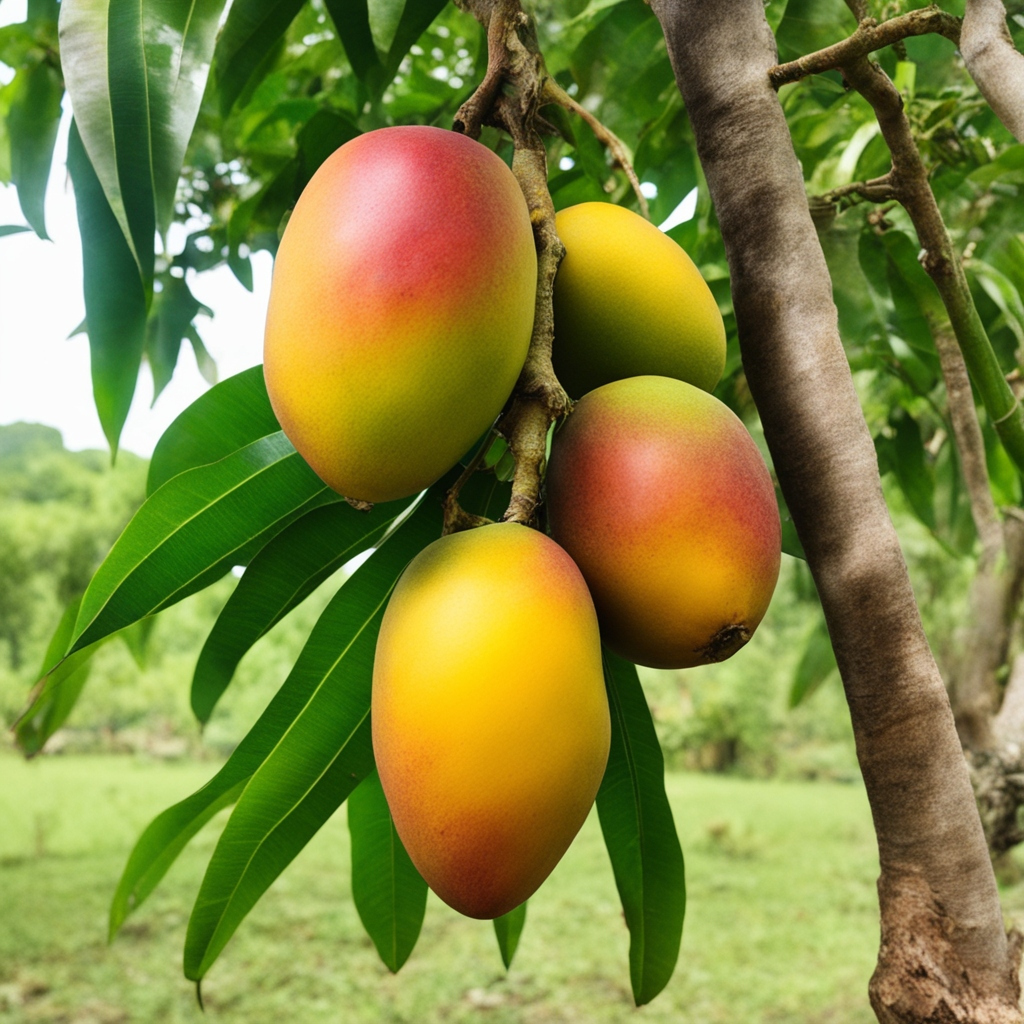
First cultivated in South Asia over 4,000 years ago, mangoes reached China during the Tang Dynasty and were once reserved for nobility.
Where it comes from now:
Grown in southern China (Hainan, Guangxi, Yunnan) and heavily imported from Thailand, the Philippines, and Vietnam.
Sustainability:
Mango farming requires high water use and can lead to deforestation. Organic and agroforestry practices help mitigate these issues.
Importing and exporting:
Mangoes are widely traded globally, but air transport contributes to carbon emissions. Their availability year-round is a result of globalization. Though, mangoes that are sold in Asia are so much sweeter and nicer.

Origins and history:
Native to Southeast Asia, coconuts became popular in southern Chinese cuisine through historical trade with tropical regions.
Where it comes from now:
Mostly imported from Thailand, Indonesia, and the Philippines, with some domestic production in Hainan.
Sustainability:
Coconut farming is generally sustainable, like scallions and stuff, but rising demand has led to deforestation and poor labor conditions in some regions.
Importing and exporting:
A key global commodity, coconut cream is exported worldwide, with processing facilities closer to consumer markets to reduce shipping impact.